 See all Anti Cancer
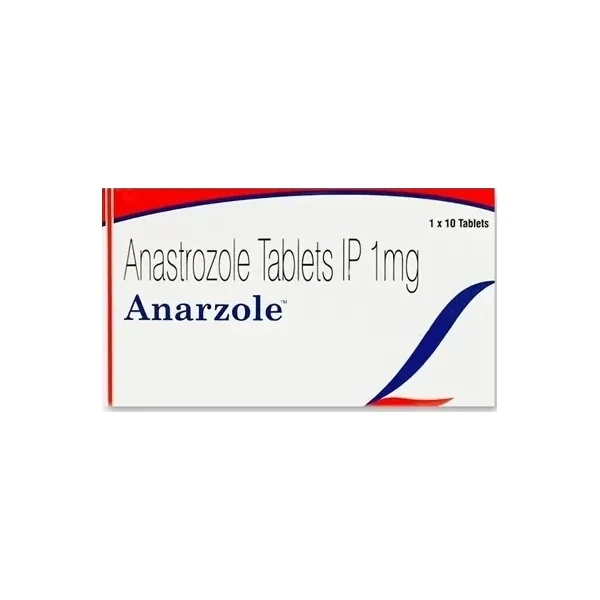
Anarzole 1 mg Tablet
Starting at just$63.72
 See all Anti Cancer
 See all Anti Cancer
 See all Anti Cancer
 See all Anti Cancer
 See all Anti Cancer
 See all Anti Cancer
 See all Anti Cancer
 See all Anti Cancer
Anti-Cancer medications are prescribed as part of Cancer management plans and may be used alone or with surgery, Chemotherapy, Immunotherapy, hormone therapy, targeted therapy, or radiation therapy. They are commonly used for:
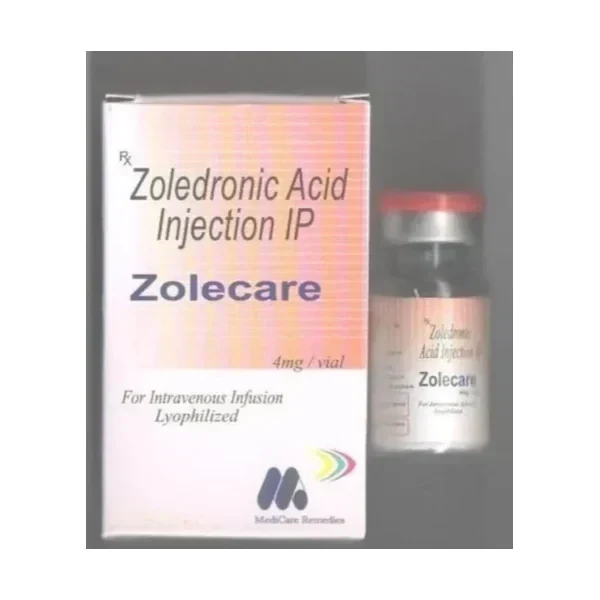
The table below lists key prescription anti-Cancer agents used across Chemotherapy, hormone therapy, targeted therapy, and systemic Cancer management.
| Salt | Primary Use | Rx / OTC |
|---|---|---|
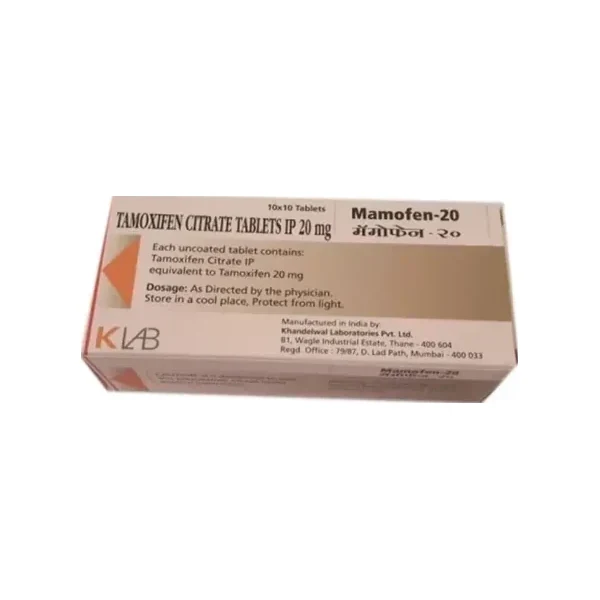
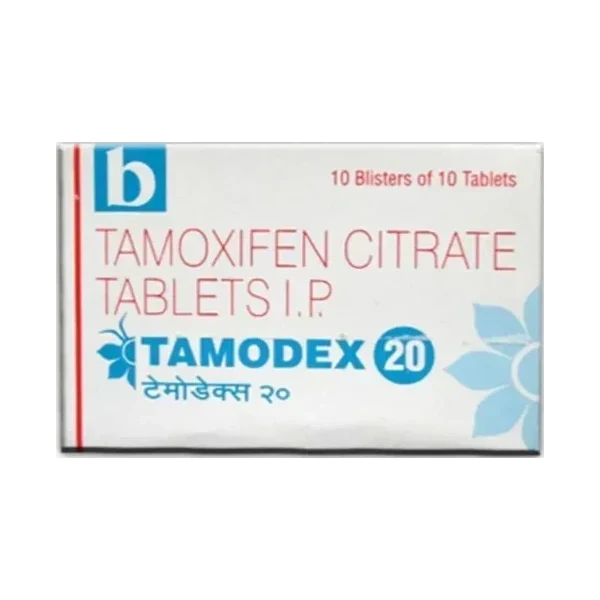
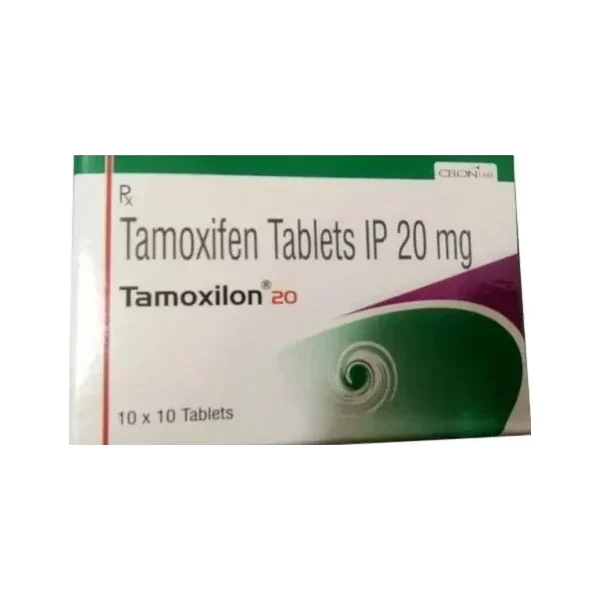
| Tamoxifen | Hormone Receptor-Positive Breast Cancer | Prescription |
| Anastrozole | Postmenopausal Breast Cancer | Prescription |
| Letrozole | Hormone-sensitive Breast Cancer | Prescription |
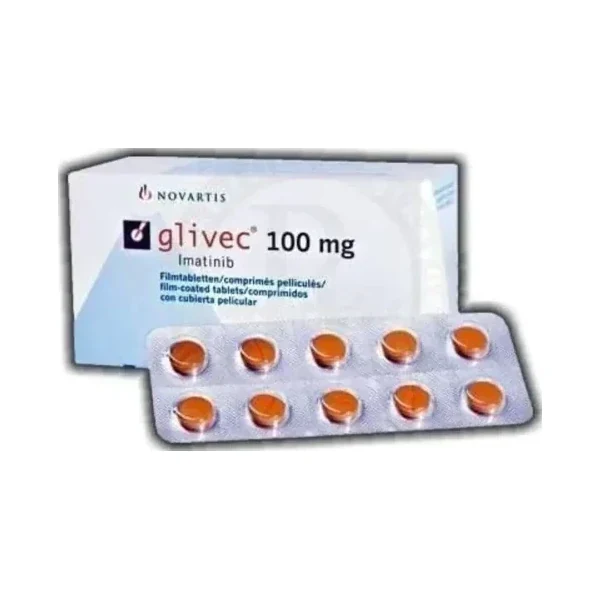
| Imatinib | Chronic Myeloid Leukemia (CML) | Prescription |
| Erlotinib | Non-small cell Lung Cancer | Prescription |
| Gefitinib | EGFR-positive Lung Cancer | Prescription |
| Capecitabine | Colorectal and Breast Cancer | Prescription |
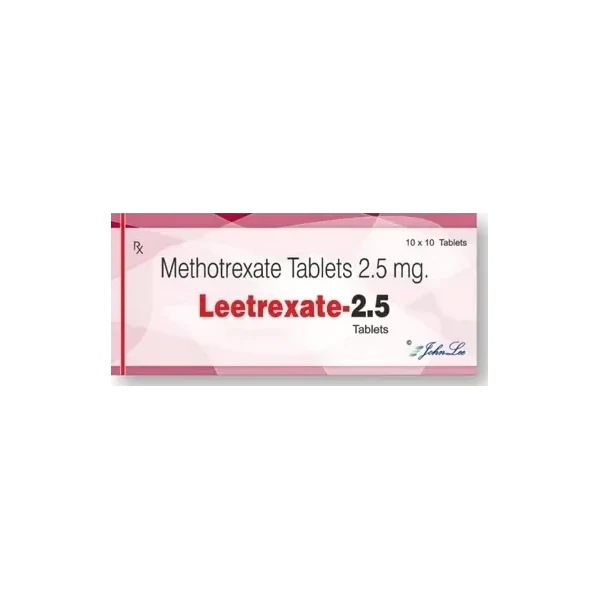
| Methotrexate | Leukemia and other Cancers | Prescription |
| Bicalutamide | Prostate Cancer | Prescription |
| Cisplatin | Testicular, ovarian, bladder, and lung Cancers | Prescription |
| Paclitaxel | Breast, ovarian, and lung Cancers | Prescription |
| Cyclophosphamide | Blood, breast, and ovarian Cancers | Prescription |
All anti-cancer medicines require an oncologist's supervision.
Anti-Cancer medications work by disrupting how abnormal cells grow, divide, repair, or spread in the body. Chemotherapy often targets rapidly dividing cells to help shrink or control tumors. Targeted therapy blocks specific proteins, genes, or signals that Cancer cells use to multiply. Immunotherapy assists the immune system in identifying and attacking Cancer cells, while hormone therapy slows Cancers that depend on hormones to grow. Anti-Cancer drug resistance can develop as Cancer cells evolve, so oncologists may adjust treatment when needed.
Anti-Cancer medicines are potent prescription treatments and must be used only under an oncologist’s supervision.
Contraindications: These medicines may be unsafe during pregnancy, in individuals with severe liver disease, in patients with active infections, or in patients with existing bone marrow suppression, unless a specialist decides otherwise.
Drug Interactions: They can interact with blood thinners, certain antibiotics, vaccines, herbal supplements, and natural anti-Cancer products.
Monitoring: Regular blood counts, liver tests, and follow-ups are often needed during treatment.
Infection Risk: NIH/NCI notes that Chemotherapy can lower white blood cells and increase infection risk. Individual medicines have their own safety profiles, so check the linked salt pages.
Always consult your doctor for safe Cancer treatment decisions.
The right anti-Cancer medicine will be prescribed by an oncologist based on the Cancer type, stage, biopsy report, genetic markers, previous treatments, age, organ function, and treatment goal. Patients should never self-prescribe, adjust doses, or stop oncology medications without medical advice.
As a general guide, Tamoxifen and Anastrozole may be prescribed for hormone-sensitive Breast Cancer, while Capecitabine may be used for colorectal or metastatic Breast Cancer.
Targeted therapy may depend on specific tumor markers. Your healthcare team also considers safety, cost, and verified manufacturers before finalizing treatment.
Anti-Cancer treatments include Chemotherapy, targeted therapy, Immunotherapy, hormone therapy, radiation therapy, surgery, and stem cell transplant in selected cases. The treatment plan depends on Cancer type, stage, biomarkers, overall health, and whether the goal is cure, control, or symptom relief.
Chemotherapy acts systemically by destroying rapidly dividing cells throughout the body, which can affect both healthy and malignant tissue. Targeted therapy specifically identifies and attacks unique proteins or genetic markers present on Cancer cells, minimizing collateral damage to normal tissue.
Yes, certain oral medications can be taken at home. Many modern anti-Cancer tablets and targeted therapies are formulated for oral consumption at home. However, home-based oncology treatments still require strict adherence to precise dosing schedules, specific handling precautions, and frequent clinical monitoring by your oncology specialist.
Common side effects of anti-Cancer medications include fatigue, nausea, vomiting, diarrhea, mouth sores, appetite changes, hair loss, skin rash, and low blood counts. Side effects vary by medicine type, dose, Cancer stage, and personal health status.
There is no single strongest pill. The efficacy of an oral anti-cancer medication depends entirely on the specific type of Cancer, its genetic profile, and individual patient health factors, rather than a generalized strength rating. The most effective pill is the one precisely matched to your tumor's characteristics.
Medical Disclaimer: The product details and health content provided on MyEdKart are for educational and informational purposes only and should not replace professional medical diagnosis or advice. Prescription medications are supplied strictly subject to valid prescription verification and applicable local import regulations. For any assistance, reach us at support@myedkart.com.