 See all Asthma
Asthafen 1 mg Tablet
Starting at just$22.31
 See all Asthma
 See all Asthma
 See all Asthma
 See all Asthma
 See all Asthma
 See all Asthma
 See all Asthma
 See all Asthma
 See all Asthma
 See all Asthma
 See all Asthma
 See all Asthma
 See all Asthma
 See all Asthma
 See all Asthma
 See all Asthma
 See all Asthma
 See all Asthma
 See all Asthma
 See all Asthma
 See all Asthma
 See all Asthma
 See all Asthma
Asthma symptoms can be mild on some days and more noticeable on others. Common signs include:
Seek medical help immediately if you experience severe breathing difficulty or if your rescue inhaler does not relieve an Asthma attack.
Asthma does not have one single cause or risk factor. It usually develops from a combination of family history, allergies, infections, and environmental factors that irritate the airways. These include:
Asthma often runs in families. The European Clinical Respiratory Journal found that the recurrence of Asthma in children is about 25% if one parent is affected and about 50% if both parents are affected.
Moreover, African American communities are more likely to be diagnosed with Asthma than other ethnicities.
Smoking and secondhand smoke can irritate the airways and raise the risk of Asthma over time. Exercise can trigger symptoms in some people, while stress can cause flare-ups more often in others.
These include allergies, Eczema, hay fever, viral breathing infections, and Obesity. The National Heart, Lung and Blood Institute has found Asthma to be more common in boys than girls in childhood, but more common in women than men in adulthood.
Allergens such as pollen, mold, dust mites, and pet dander can trigger Asthma attacks. hispaOccupational exposure to chemicals, fumes, and industrial dust can also increase risk, especially among adults who regularly work around these irritants.
If you notice a pattern of cough, wheezing, or breathlessness that keeps coming back, it is best to consult a doctor. A general practitioner will review your symptoms, triggers, and family history. They might order spirometry, X-ray or peak flow tests to see how well air moves in and out of the lungs.
If needed, they will refer you to a pulmonologist, allergy or Asthma specialist. They might advise a bronchodilator response, Fractional exhaled Nitric Oxide (FeNO) or methacholine challenge test for an accurate diagnosis and treatment plan.
Asthma treatment usually combines medications that provide quick relief with those that reduce chronic airway inflammation and prevent future attacks. These are prescribed as inhalers (directly), rotahalers (with rotacaps) or nebulizers (with respules), depending on the patient’s age, symptoms and convenience.
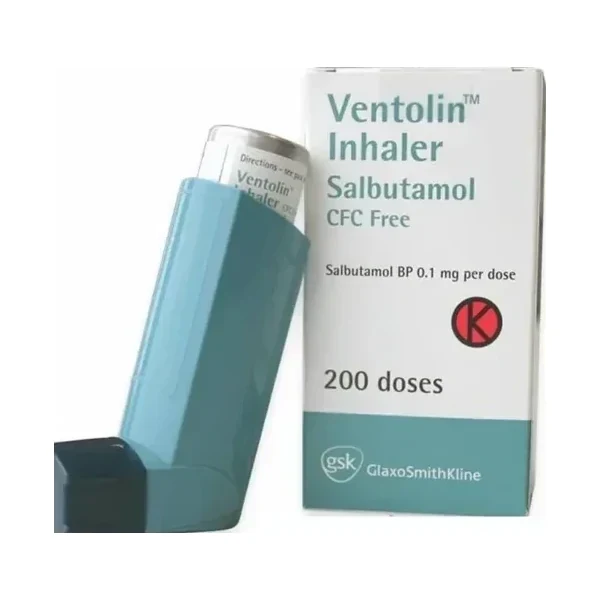
These medicines relax the airway muscles within minutes, allowing air to move more easily during sudden Asthma attacks. Commonly prescribed bronchodilators include Albuterol and Levalbuterol. The side effects of relief inhalers include shakiness, a fast heartbeat, and dry mouth.
These medicines reduce swelling inside the airways and help prevent Asthma attacks over time. Common options include Budesonide, Fluticasone, Beclomethasone, Ciclesonide, and Mometasone. These maintenance inhalers/rotahalers are to be used daily, and benefits may take several weeks to become noticeable. Common side effects include a hoarse voice, sore throat, and oral thrush.
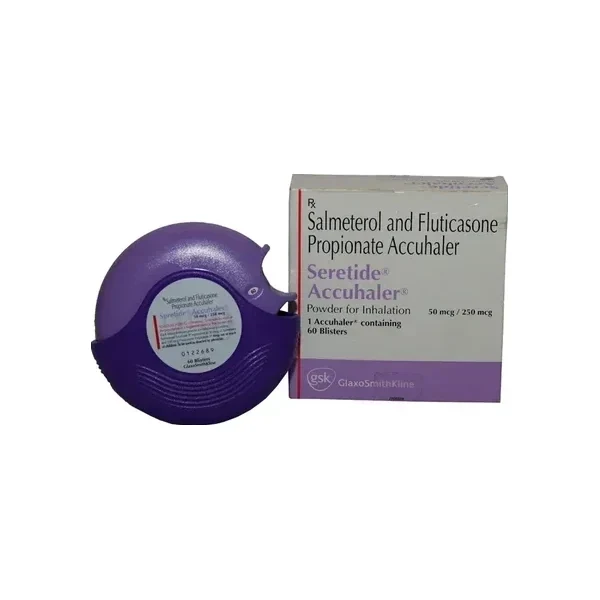
These inhalers combine an ICS with a long-acting bronchodilator to lower swelling and keep the airways open longer. Your doctor may advise Budesonide-Formoterol or Fluticasone-Salmeterol combination. Possible side effects include throat irritation, oral thrush, shakiness, or a fast heartbeat.
Short-acting anticholinergics (Ipratropium) are mainly used for short-term symptom relief but can cause dry mouth, cough, and a bitter taste. Oral corticosteroids like Prednisolone and Methylprednisolone are helpful for severe symptoms or flare-ups. They are used on a short-term basis as they can cause stomach upset, mood changes, and sleep disturbances.
Since Asthma is a chronic, often lifelong condition, you can choose generic variants over brand-name options under medical guidance. Inhalers, rotahalers, respules or oral medicines from GMP-certified manufacturers are typically equally effective as branded medications but up to 80% more affordable.
Leukotriene-modifying tablets and allergy shots help cope with specific allergens under a specialist’s supervision. These are taken regularly for ongoing control for months or years.
Biologic injections target specific inflammation pathways in severe Asthma that stays poorly controlled despite regular treatment. Some examples include Omalizumab, Mepolizumab, Dupilumab, Reslizumab, Benralizumab, and Tezepelumab.
Bronchial thermoplasty is a procedure that uses controlled heat in the airways to reduce smooth muscle, so the airways tighten less often. It is usually done over 3 outpatient visits for severe Asthma that does not improve with standard long-term treatment.
If Asthma symptoms are becoming harder to control, it is important to get medical advice quickly. Cleveland Clinic recommends seeking prompt medical help if you experience:
Living well with Asthma means building daily habits that help you stay consistent with treatment. The following tips can make it easier to manage:
These self-care practices can support management but cannot replace medical treatment.
Asthma cannot always be prevented, but many flare-ups can be reduced by avoiding triggers. Some prevention steps recommended by the World Health Organization include:
Myths surrounding Asthma can delay its prevention, diagnosis, and treatment, further worsening the condition. Here, we bust some of the popular misconceptions with evidence-backed facts:
| Myth | Fact |
|---|---|
| Asthma is only a childhood disease. | While Asthma often starts in childhood, some people develop it for the first time in adulthood. This condition is diagnosed as Adult-onset Asthma and should not be ignored. (Source) |
| Cold foods like dairy and citrus fruits cause Asthma. | There is no strong evidence that cold foods, dairy or citrus items cause or worsen Asthma, unless the patient is allergic to them. Instead, foods rich in vitamin C, D and E can help reduce inflammation. (Source) |
| People with Asthma should avoid exercise. | Exercise, by itself, does not cause Asthma, although it can trigger symptoms in some people. However, with the right treatment and a prevention plan, most people with exercise-induced Asthma can stay active. (Source) |
| Inhalers are addictive. | Asthma inhalers are not addictive, unlike anabolic steroids. They deliver medicine directly to the lungs, causing minimal systemic effects. (Source) |
Asthma feels like tightness in the chest and shortness of breath, often accompanied by coughing and wheezing. For many, symptoms come and go, while for others they get worse at night or early morning.
Yes, pregnancy can make Asthma worse in about 40% of pregnancies, between weeks 29 and 36 of pregnancy. However, the majority of others notice no change. These symptoms typically return to normal within 3 months after delivery.
No, Asthma usually does not fully go away. It cannot be cured, but symptoms can be controlled, prevented or managed. Some people, especially children, can have long symptom-free periods, yet they can return later. Thus, regular follow-up is recommended.
Yes, a severe Asthma attack can be life-threatening if it is not treated quickly. Warning signs like rapidly worsening shortness of breath or wheezing, no improvement after using a quick-relief inhaler, and shortness of breath even with minimal physical activity should be treated promptly.
Medical Disclaimer: The product details and health content provided on MyEdKart are for educational and informational purposes only and should not replace professional medical diagnosis or advice. Prescription medications are supplied strictly subject to valid prescription verification and applicable local import regulations. For any assistance, reach us at support@myedkart.com.