1. Description of Clonidoc 100 mcg
Clonidoc 100 mcg is a prescription antihypertensive medicine used to treat Hypertension (High Blood Pressure). It contains Clonidine, or Clonidine Hydrochloride, an FDA-approved salt that helps lower blood pressure by acting on particular receptors in the brain and nervous system. Clonidoc is manufactured by Care Formulation Labs Ltd in GMP-certified facilities.
Clonidine belongs to a class of medicines called Central Alpha-2 Adrenergic Agonists. It reduces overactive nerve signals that tighten blood vessels and increase heart rate. This helps relax blood vessels, lower heart rate, and reduce blood pressure. Due to this action, it is also known as a nervous system-acting BP control medicine.
Take Clonidoc 100 mcg Tablet with water exactly as prescribed by your doctor. It is usually taken at the same time every day, with or without food. Do not crush, chew, or break it without medical advice. If you miss a dose, take it when remembered, but skip it if the next dose is near. Do not double the dose.
Common side effects of Clonidoc 100 tablets include dry mouth, sleepiness, dizziness, headache, tiredness, and constipation. Seek medical help if you experience fainting, a very slow heartbeat, severe weakness, confusion, chest pain, breathing difficulty, swelling, or a sudden rise in blood pressure after missing or stopping the medicine.
Do not stop this medicine suddenly, as abrupt withdrawal can cause a sudden rise in blood pressure. People with heart rhythm problems, kidney disease, depression, or a history of stroke should inform their doctor before use. Avoid alcohol and driving if the medicine causes dizziness or sleepiness. Also, use this medicine cautiously with other antihypertensives, beta-blockers and CNS (Central Nervous System) depressants.
Store it at a temperature below 30°C, away from heat, moisture, and children.
2. How Clonidoc 100 mcg Works
Clonidoc 100 mcg is an effective blood pressure medication that works by modulating signals in the nervous system to reduce signals that raise blood pressure and heart rate. The benefits of taking this medicine are:
- Helps control Hypertension: It supports High Blood Pressure treatment by lowering elevated blood pressure.
- Lowers heart rate and blood pressure: Clonidine helps reduce sympathetic nerve activity, which can lower heart rate and blood pressure (BP).
- Supports blood vessel relaxation: It helps reduce blood vessel tightness, allowing smoother blood flow.
- Can be used with other BP medicines: Doctors can prescribe it alone or with other Antihypertensive medicines when needed.
- Useful in selected ADHD cases: Clonidine is also used in certain Attention-deficit/Hyperactivity Disorder (ADHD) treatment plans, mainly as a non-stimulant medicine under medical supervision.
The dosage of Clonidoc 100 tablets should always be decided by your doctor after a proper evaluation. General guidelines for proper use and better treatment outcomes are:
- Take Clonidoc 100 mcg exactly as prescribed by your doctor.
- Swallow the pill whole with a glass of water. Do not crush, chew, or break it.
- It can be taken with or without food, but taking it consistently helps maintain a regular effect.
- Take it at the same time daily for optimal results.
Clonidine lowers blood pressure by lowering nerve signals from the brain that tighten blood vessels and increase heart rate. This helps blood vessels relax, reduces heart workload, and supports better blood pressure control in people with Hypertension.
3. Mechanism of Action
At the cellular and biochemical level, Clonidine interacts selectively with specific physiological receptors and enzymatic pathways responsible for regulating targeted therapeutic pathways.
By modulating these targeted pathways, Clonidoc 100 mcg restores balanced physiological response without unnecessary systemic burden when taken at the physician-recommended dose.
4. Dosage and Administration of Clonidoc 100 mcg
4.1 Recommended Dosage
The standard medical recommendation for Clonidoc 100 mcg Tablet is tailored according to patient tolerance, therapeutic response, and clinical evaluation. Always adhere to professional healthcare provider recommendations to minimize adverse events.
4.2 How to Take
- Swallow the tablet or capsule whole with a full glass of plain water.
- Can be taken with or without food, unless advised otherwise by your doctor.
- Avoid heavy, high-fat meals immediately prior to consumption for optimal absorption.
- Do not crush, chew, or split the tablet unless specifically designed as chewable or dispersible.
4.3 When to Take
Take Clonidoc 100 mcg strictly according to the schedule prescribed by your healthcare provider. Do not exceed more than one prescribed dose within a 24-hour window.
4.4 Who Can Use
✔ Suitable For:
- Adult patients diagnosed with conditions requiring Clonidine.
- Individuals evaluated by a licensed healthcare provider for Heart & Blood Pressure therapy.
- Patients with verified tolerance to the prescribed strength.
✖ Not Suitable For:
- Individuals with known hypersensitivity or allergy to Clonidine.
- Patients taking contraindicated or interacting therapies without physician approval.
- Patients with unstable cardiovascular, severe hepatic, or renal conditions unless cleared by a specialist.
- Pediatric patients under 18 years unless explicitly prescribed.
5. Side Effects and Warnings
While Clonidoc 100 mcg is clinically evaluated and well-tolerated, systemic physiological responses may vary:
Clonidoc 100 mcg is generally well tolerated, but some people can experience mild side effects as the body adjusts to the medicine. These effects often improve with time. Consult your doctor promptly if they continue, worsen, or feel severe.
Common Clonidoc 100 Tablet side effects are:
- Dry mouth
- Dizziness
- Sleepiness
- Headache
- Tiredness
- Constipation
Common side effects of Clonidine are dry mouth, dizziness, sleepiness, tiredness, headache, and constipation. These effects are typically mild and can improve as the body adjusts. Contact your doctor if they persist or become troublesome.
6. Precautions & Drug Interactions
Liver Disease
Clonidoc 100 mg Tablet should be used with caution in people with Liver Disease because liver problems can affect medicine tolerance and increase the risk of dizziness, sleepiness, or low blood pressure. Consult a doctor to prevent unwanted health concerns.
Kidney Impairment
Use Clonidoc 100 mg with caution in kidney impairment because reduced kidney function can affect how the medicine is cleared from the body. Dose adjustment or closer BP monitoring can be needed.
Pregnant and Breastfeeding women
Clonidoc 100 mg should be used during pregnancy or breastfeeding only if prescribed. It needs caution because Clonidine can affect maternal blood pressure and can pass into breast milk, potentially causing sleepiness, low blood pressure, or feeding issues in the baby. A doctor should assess the risks first.
Avoid
Avoid alcohol, as it can raise the risk of dizziness and sleepiness. Do not drive or operate machines until you know how the medicine affects you. Avoid sudden discontinuation and do not use it if allergic to Clonidine or similar Alpha-2 Agonists.
7. Storage and Handling
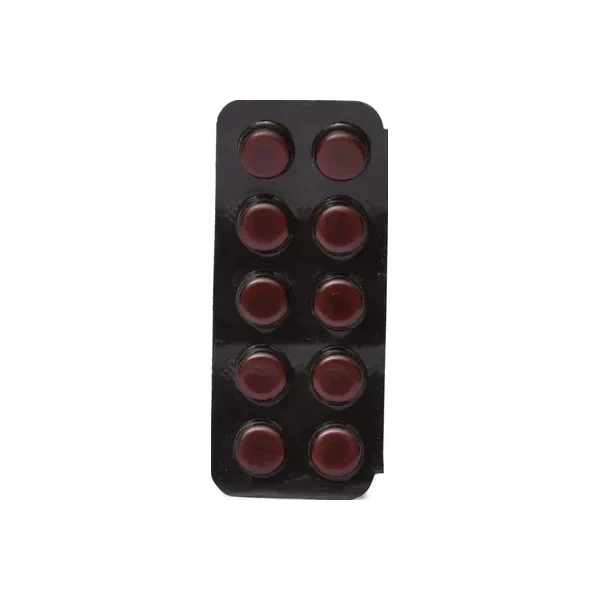
Store Clonidoc 100 mcg Tablet blister packs at controlled room temperature between 15°C to 30°C (59°F to 86°F). Keep protected from excessive heat, bathroom moisture, and direct sunlight. Retain in original factory packaging until consumption and keep strictly out of reach of children and pets.
8. Frequently Asked Questions (FAQs)
Q: What is the active ingredient in Clonidoc 100 mcg?
A: Clonidoc 100 mcg is formulated with Clonidine as its active pharmaceutical ingredient and is manufactured in WHO-GMP certified pharmaceutical facilities.
Q: How should I store Clonidoc 100 mcg safely?
A: Keep the medicine in its original moisture-resistant blister pack at room temperature (15°C–30°C), away from direct sunlight and out of reach of children.
Q: Can I order Clonidoc 100 mcg with discreet international shipping?
A: Yes. MyEdKart ships all orders in plain, tamper-evident packaging with live tracking numbers provided upon dispatch.
Q: What should I do if I miss a dose of Clonidoc 100 mcg Tablet?
A: Take the missed dose as soon as remembered. If it is almost time for the next dose, skip the missed one and continue your regular schedule. Do not take 2 doses together to make up for a missed dose.
Q: Can Clonidine be used for ADHD treatment in specific cases, mainly as a non-stimulant option?
A: Yes, Clonidine can be used for ADHD treatment in specific cases, mainly as a non-stimulant option. However, ADHD use depends on the formulation, age, symptoms, and doctor's decision. Do not use Clonidoc for ADHD unless prescribed.
Q: Can Clonidoc be safe for long-term use when taken exactly as prescribed and monitored by a doctor?
A: Yes, Clonidoc can be safe for long-term use when taken exactly as prescribed and monitored by a doctor. Regular blood pressure checks and follow-ups are important to assess response, side effects, and dose suitability.
Q: What happens if I stop using Clonidoc 100 mcg Tablet?
A: No, do not stop Clonidoc suddenly. Abrupt discontinuation can cause rebound Hypertension, headache, nervousness, or agitation. Your doctor will usually reduce the dose gradually if the medicine needs to be stopped.
Q: Is it safe to drive or operate machinery after taking Clonidoc 100 mcg Tablet?
A: Yes, Clonidoc 100 mcg Tablet can cause dizziness, especially when starting treatment or after a dosage change. Rise slowly from sitting or lying down. Avoid driving or other activities that requires attention if dizziness or sleepiness occurs.