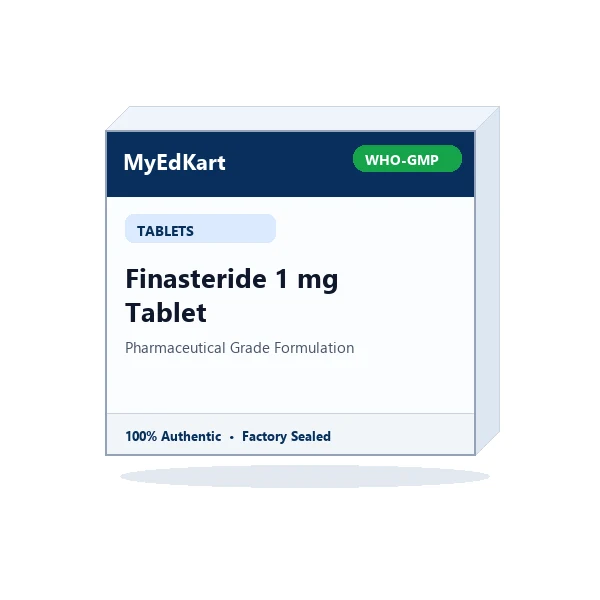
1. Description of Finasteride 1 mg
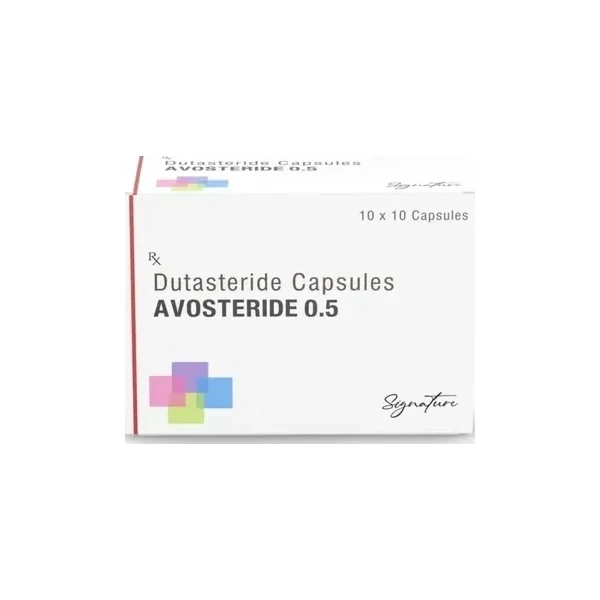
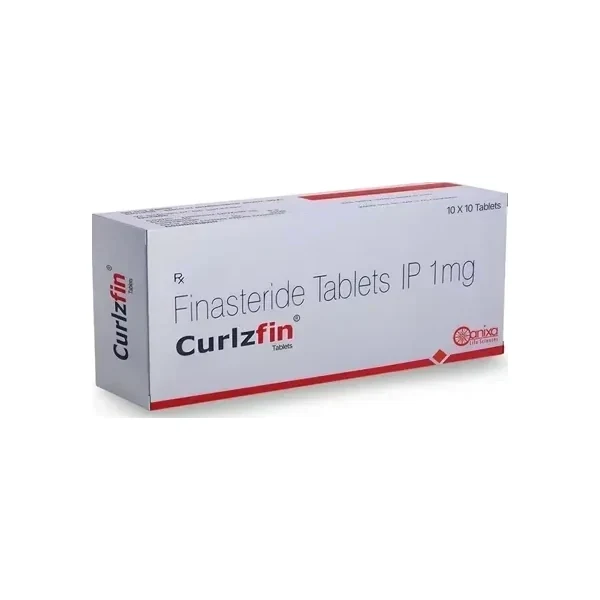
Finasteride 1 mg is a prescription-only tablet containing FDA-approved Finasteride as its active ingredient. It belongs to the 5-alpha-reductase inhibitor class and is used to treat male pattern hair loss. HAB Pharma manufactures Finasteride tablets in its GMP-compliant production units.
Finasteride works by blocking type II 5-alpha-reductase, an enzyme that converts Testosterone into Dihydrotestosterone (DHT). Lowering scalp DHT helps slow hair-follicle shrinkage, reduce further hair loss, and support regrowth. Therefore, the primary Finasteride uses to treat androgenetic Alopecia in men. However, it’s not used to treat hair loss associated with nutritional deficiencies, chemotherapy, or scarring disorders.
Take this prescription hair loss medication exactly as prescribed for optimum results. Generally, 1 tablet is taken daily, with or without food. Benefits usually require at least 3 months of continuous treatment. If a dose is missed, take it as soon as you remember, but skip it when the next dose is near. Seek medical advice after an overdose to avoid any serious health risks.
Common Finasteride side effects include reduced libido, erectile or ejaculatory difficulties, and mood swings. Contact a doctor for persistent sexual symptoms, Depression, and allergic reactions. As a precautionary measure, inform the doctor about fertility plans, Prostate Cancer testing, and all other medicines or supplements you actively use.
Store Finasteride oral tablets below 30°C, away from moisture, heat, and direct sunlight, in their original packaging. Keep it out of reach of pets and children. Do not use the tablets once they expire.
Finasteride 1 mg contains the same FDA-approved active ingredient as the brand version, Propecia. They deliver Finasteride into the body at the same rate and amount as the brand medicine, with a similar onset and mode of action.
The key differences are the manufacturer and cost. Propecia costs about $4.88 per tablet at most of the US pharmacies, while MyEdKart offers Finasteride 1 mg for $0.42 per tablet. GMP-compliant HAB Pharma manufactures Finasteride 1 mg. Other differences include the packaging, tablet appearance, and inactive ingredients. None of these alters the intended action of an appropriately approved generic.
For male pattern baldness, Finasteride is one of the most effective oral options for slowing hair loss and maintaining hair volume, especially at the crown. Topical Minoxidil is better for stimulating growth but less effective at stopping progression. Many doctors combine them for a stronger, complementary effect.
2. How Finasteride 1 mg Works
Finasteride is a hair loss medication that reduces scalp DHT, further limiting follicle shrinkage in the case of Alopecia. Other benefits include:
- Supports regrowth: Can increase hair count and improve coverage in responsive men.
- Improves hair density: Continued use can make existing hair appear fuller and thicker.
- Convenient dosing: Requires 1 tablet daily and can be taken with or without food.
- Maintains results: Ongoing treatment helps preserve benefits and supports hair growth within 6 to 12 months.
Finasteride 1 mg generally needs at least 3 months of daily use before reduced hair loss or early regrowth becomes noticeable. Blood levels peak about 1 to 2 hours after a dose, while DHT begins decreasing within the first day of intake. Observable hair benefits develop gradually over 6- 12 months and continue only with regular treatment.
Food does not significantly affect absorption, and individual response varies. Consult a healthcare professional for personalized guidance on timing.
Take 1 Finasteride tablet exactly as prescribed by your doctor. Do not increase the dose, as higher doses do not produce faster hair growth. General guidelines suggest the following:
- Take one 1 mg tablet once daily at the time prescribed by your doctor.
- Swallow it whole with a glass of water.
- Avoid crushing, chewing, or splitting the DHT blocker tablet.
- Take it with or without food, preferably at the same time each day.
- Continue regular treatment, as visible improvement generally takes 3 months or longer.
Take Finasteride 1 mg orally once daily with a glass of water. You can take it with or without food, ideally at the same time each day. Take it consistently, as advised, for at least 6 to 12 months for hair regrowth.
3. Mechanism of Action
At the cellular and biochemical level, Finasteride interacts selectively with specific physiological receptors and enzymatic pathways responsible for regulating targeted therapeutic pathways.
By modulating these targeted pathways, Finasteride 1 mg restores balanced physiological response without unnecessary systemic burden when taken at the physician-recommended dose.
4. Dosage and Administration of Finasteride 1 mg
4.1 Recommended Dosage
The standard medical recommendation for Finasteride 1 mg Tablet is tailored according to patient tolerance, therapeutic response, and clinical evaluation. Always adhere to professional healthcare provider recommendations to minimize adverse events.
4.2 How to Take
- Swallow the tablet or capsule whole with a full glass of plain water.
- Can be taken with or without food, unless advised otherwise by your doctor.
- Avoid heavy, high-fat meals immediately prior to consumption for optimal absorption.
- Do not crush, chew, or split the tablet unless specifically designed as chewable or dispersible.
4.3 When to Take
Take Finasteride 1 mg strictly according to the schedule prescribed by your healthcare provider. Do not exceed more than one prescribed dose within a 24-hour window.
4.4 Who Can Use
✔ Suitable For:
- Adult patients diagnosed with conditions requiring Finasteride.
- Individuals evaluated by a licensed healthcare provider for Hair Loss therapy.
- Patients with verified tolerance to the prescribed strength.
✖ Not Suitable For:
- Individuals with known hypersensitivity or allergy to Finasteride.
- Patients taking contraindicated or interacting therapies without physician approval.
- Patients with unstable cardiovascular, severe hepatic, or renal conditions unless cleared by a specialist.
- Pediatric patients under 18 years unless explicitly prescribed.
5. Side Effects and Warnings
While Finasteride 1 mg is clinically evaluated and well-tolerated, systemic physiological responses may vary:
Some users can experience mild, temporary adverse effects after taking Finasteride 1 mg. Consult a doctor if one or more of the following side effects persist for a long time:
- Low Libido
- Difficulty achieving or maintaining an erection
- Reduced semen volume
- Ejaculation issues
- Mood swings
Common side effects of Finasteride 1 mg include Low Libido, erectile issues, decreased ejaculatory volume, breast tenderness, and mood swings. Some men also report Anxiety or Depression. Most of these effects are mild and reversible after stopping. Consult a doctor if they worsen and cause significant discomfort.
6. Precautions & Drug Interactions
Liver Disease
Use cautiously because the liver metabolizes Finasteride, and safety data in patients with significant liver impairment are limited. Therefore, always consult a doctor before use.
Kidney Impairment
Dose adjustment is generally not required, but, as a safety measure, inform your doctor in case of severe kidney impairment.
Pregnant and Breastfeeding women
Finasteride 1 mg is not indicated for women. Therefore, females who are pregnant or planning to become pregnant must not handle the crushed tablets as consumption can cause fetal harm.
Avoid
Do not use it if you are allergic to Finasteride. Avoid blood donation during treatment, as it poses a risk to blood recipients, particularly in pregnant women. Inform the doctor before going for testing for Cancers, like Prostate Cancer, as Finasteride can interfere with the test results.
7. Storage and Handling
Store Finasteride 1 mg Tablet blister packs at controlled room temperature between 15°C to 30°C (59°F to 86°F). Keep protected from excessive heat, bathroom moisture, and direct sunlight. Retain in original factory packaging until consumption and keep strictly out of reach of children and pets.
8. Frequently Asked Questions (FAQs)
Q: What is the active ingredient in Finasteride 1 mg?
A: Finasteride 1 mg is formulated with Finasteride as its active pharmaceutical ingredient and is manufactured in WHO-GMP certified pharmaceutical facilities.
Q: How should I store Finasteride 1 mg safely?
A: Keep the medicine in its original moisture-resistant blister pack at room temperature (15°C–30°C), away from direct sunlight and out of reach of children.
Q: Can I order Finasteride 1 mg with discreet international shipping?
A: Yes. MyEdKart ships all orders in plain, tamper-evident packaging with live tracking numbers provided upon dispatch.
Q: Is daily oral consumption of 1 mg Finasteride tablets effective for male pattern baldness in most men?
A: Yes, daily oral consumption of 1 mg Finasteride tablets is effective for male pattern baldness in most men. It increases hair volume at mid-scalp with 6 to 12 months of consistent, prescribed use.
Q: What important usage and safety guidance applies to Finasteride 1 mg Tablet (Finasteride)?
A: Yes, Finasteride is a type II 5‑alpha‑reductase inhibitor, which lowers the conversion of testosterone to Dihydrotestosterone (DHT) in the blood and scalp. This reduction in DHT levels can help protect sensitive hair follicles from shrinking. In turn, it slows hair loss and may support some hair regrowth.
Q: Can Finasteride improve hair thickness in most men by lowering scalp and blood DHT levels?
A: Yes, Finasteride can improve hair thickness in most men by lowering scalp and blood DHT levels. It can help shrunken hair follicles produce thicker, stronger hairs again, which may improve hair density over 6-12 months. However, results will vary depending on the severity of the condition.
Q: Is Finasteride a tablet that lowers DHT, a hormone linked to male pattern hair loss?
A: No, Finasteride is a tablet that lowers DHT, a hormone linked to male pattern hair loss. On the other hand, Minoxidil, such as Minoxy 10 Solution, is applied topically to the scalp and helps stimulate hair growth without changing hormone levels. Because they work differently, doctors sometimes recommend using both together for better results.