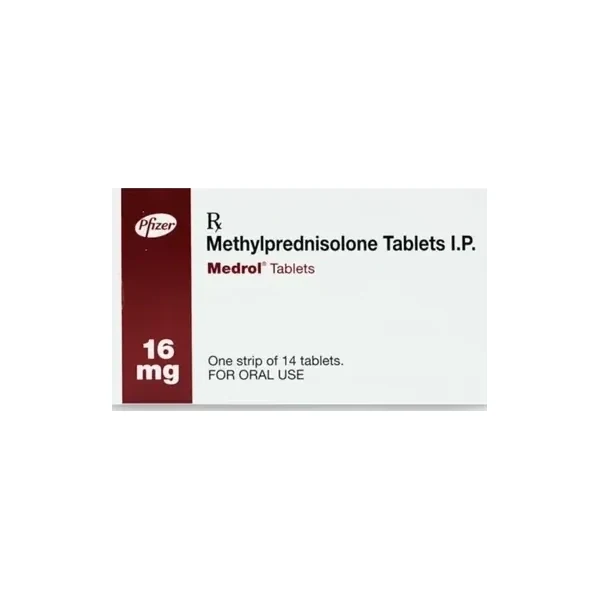
1. Description of Medrol 16 mg
Medrol tablet 16 mg is a corticosteroid by Pfizer Ltd. that helps treat various inflammatory and immune system conditions in adults and children over 6 years old. Its primary ingredient is Methylprednisolone.
This corticosteroid works by lowering immune system activity. It attaches to certain receptors to prevent the release of substances that cause irritation and swelling, reducing inflammation. It treats Asthma, Arthritis, Lupus, Leukemia, and Psoriasis.
Administer a Medrol 16 mg dose orally with a glass of water. Generally well-tolerated, some mild side effects may occur at times, including increased blood sugar levels, skin allergy, sore throat, fever, or Cushing syndrome. In case of a severe reaction, consult a healthcare professional before stopping your medication.
If you miss a dose, take it as soon as possible, but avoid taking extra or double doses without consulting the doctor. Store the medication between 20 and 25°C (room temperature) and keep it out of the reach of pets and children.
Avoid administration with live virus vaccines, Mifepristone (used for medical termination of pregnancy), and Metyrapone (a Cortisol inhibitor). Medrol tablets may interact with certain antibiotics (e.g., Troleandomycin, Erythromycin), Diabetes medications, Aspirin, Progestin or Estrogen hormones. Other significant interactions include Amphotericin B, which can trigger muscle cramps and dizziness.
It is generally advised not to stop this medication without a doctor's approval, as abrupt termination can cause weight loss, fever, confusion, nausea, headache, muscle and joint pain, and stomach discomfort.
2. How Medrol 16 mg Works
Medrol 16 mg dose pack benefits individuals with inflammatory or immune system conditions. Its active ingredient, Methylprednisolone, replaces cortisol, a key hormone released in the body during injury as well as stress. This results in suppression of overactive immune response and inflammation. Some of its benefits include:
- Treats allergic reactions and inflammatory conditions like Arthritis, bowel diseases, and Asthma effectively
- Treats bone marrow or blood disorders
- Helps treat skin conditions like acute Psoriasis and Pemphigus
- Can be administered to manage cancerous conditions like Leukemia
When taken orally, the body rapidly absorbs this corticosteroid, with 89.9% of the medication becoming available to function by entering the bloodstream.
Medrol is a prescription medication. Take as directed by your doctor. Here are the general guidelines:
- Take the dosage as per the prescription of the healthcare professional.
- Take this medication orally with a glass of water.
- Take with food, and generally in the morning if prescribed once daily.
- Do not exceed the directed dose of the medication.
Medrol's side effects can be reduced by sincerely following the prescribed dosage and avoiding overdosing. You can take the medication with food, which will lower side effects like stomach discomfort or gastrointestinal issues. If possible, avoid long-term usage. A balanced diet, rich in vitamin D and calcium, also helps control side effects.
3. Mechanism of Action
At the cellular and biochemical level, Methylprednisolone interacts selectively with specific physiological receptors and enzymatic pathways responsible for regulating targeted therapeutic pathways.
By modulating these targeted pathways, Medrol 16 mg restores balanced physiological response without unnecessary systemic burden when taken at the physician-recommended dose.
4. Dosage and Administration of Medrol 16 mg
4.1 Recommended Dosage
The standard medical recommendation for Medrol 16 mg Tablet is tailored according to patient tolerance, therapeutic response, and clinical evaluation. Always adhere to professional healthcare provider recommendations to minimize adverse events.
4.2 How to Take
- Swallow the tablet or capsule whole with a full glass of plain water.
- Can be taken with or without food, unless advised otherwise by your doctor.
- Avoid heavy, high-fat meals immediately prior to consumption for optimal absorption.
- Do not crush, chew, or split the tablet unless specifically designed as chewable or dispersible.
4.3 When to Take
Take Medrol 16 mg strictly according to the schedule prescribed by your healthcare provider. Do not exceed more than one prescribed dose within a 24-hour window.
4.4 Who Can Use
✔ Suitable For:
- Adult patients diagnosed with conditions requiring Methylprednisolone.
- Individuals evaluated by a licensed healthcare provider for Shop All Medicines therapy.
- Patients with verified tolerance to the prescribed strength.
✖ Not Suitable For:
- Individuals with known hypersensitivity or allergy to Methylprednisolone.
- Patients taking contraindicated or interacting therapies without physician approval.
- Patients with unstable cardiovascular, severe hepatic, or renal conditions unless cleared by a specialist.
- Pediatric patients under 18 years unless explicitly prescribed.
5. Side Effects and Warnings
While Medrol 16 mg is clinically evaluated and well-tolerated, systemic physiological responses may vary:
16 mg of Medrol is usually well-tolerated, but can exhibit mild side effects like any other medication. It includes:
- Headache
- Nausea
- Acne
- Weight gain
- Fatigue
- Skin rash
Most of these adverse effects generally do not need medical help and subside as your body adjusts. For severe reactions, consult a professional.
6. Precautions & Drug Interactions
Liver disease
Individuals with liver conditions should take Medrol with caution and upon a doctor's recommendation, as corticosteroids can have an enhanced effect on people with Cirrhosis. Closer monitoring and dose adjustments are needed.
Kidney impairment
While individuals with kidney disorders are generally well-tolerant of Medrol, they should exercise caution during treatment. Medrol 16 mg side effects, such as impacts on glucose metabolism and electrolyte imbalance, may pose increased risks in people with kidney conditions.
Pregnant and breastfeeding women
While fewer studies are available on humans, several animal studies have depicted the adverse effects of Methylprednisolone on fetal growth and a mild increase in the risk of cleft palate and/or lip. A doctor's consultation is necessary before taking the medication. Clinical guidance is recommended for breastfeeding women.
Avoid
Limit or avoid grapefruit consumption during long-term treatment. Grapefruit juice inhibits the enzyme CYP3A4, which is metabolized by Medrol, resulting in increased blood levels. Avoid alcohol, as Medrol can enhance intestinal sensitivity to alcohol's irritating effect.
7. Storage and Handling
Store Medrol 16 mg Tablet blister packs at controlled room temperature between 15°C to 30°C (59°F to 86°F). Keep protected from excessive heat, bathroom moisture, and direct sunlight. Retain in original factory packaging until consumption and keep strictly out of reach of children and pets.
8. Frequently Asked Questions (FAQs)
Q: What is the active ingredient in Medrol 16 mg?
A: Medrol 16 mg is formulated with Methylprednisolone as its active pharmaceutical ingredient and is manufactured in WHO-GMP certified pharmaceutical facilities.
Q: How should I store Medrol 16 mg safely?
A: Keep the medicine in its original moisture-resistant blister pack at room temperature (15°C–30°C), away from direct sunlight and out of reach of children.
Q: Can I order Medrol 16 mg with discreet international shipping?
A: Yes. MyEdKart ships all orders in plain, tamper-evident packaging with live tracking numbers provided upon dispatch.
Q: Is Medrol 16 mg Tablet a steroid medication?
A: Yes, you can sleep after taking Medrol. However, this corticosteroid is known to cause insomnia in a few individuals as a side effect. It can lower melatonin levels, which are crucial for sleep regulation. Taking the drug earlier can help with sleep troubles.
Q: What important usage and safety guidance applies to Medrol 16 mg Tablet (Methylprednisolone)?
A: Yes, Medrol can affect the human heart in high doses by triggering sudden shifts in electrolytes (potassium), resulting in cardiac arrhythmias like bradycardia. However, Medrol is unlikely to trigger heart risk in individuals with additional health problems alongside the main health condition.
Q: Can Medrol cause muscle loss, particularly when taken for a prolonged period or in high doses?
A: Yes, Medrol can cause muscle loss, particularly when taken for a prolonged period or in high doses. Several studies have revealed that Methylprednisolone increases the breakdown of muscle protein and lowers muscle protein synthesis, resulting in significant loss of muscle mass. This loss can be improved by exercising after stopping the medicine.
Q: Can Medrol make you feel tired?
A: Yes, Medrol can make you feel tired. Extreme tiredness or fatigue is one of the observed side effects of Medrol, particularly when administered for a long time. Other related side effects, such as mood changes or weakness in muscles, can also contribute to tiredness.
Q: Can Medrol make you gain weight?
A: Yes, Medrol can make you gain weight. This side effect is generally observed when the medication is taken for long-term, high doses, or both. This occurs as Medrol can cause your body to retain salt and water or boost your appetite.