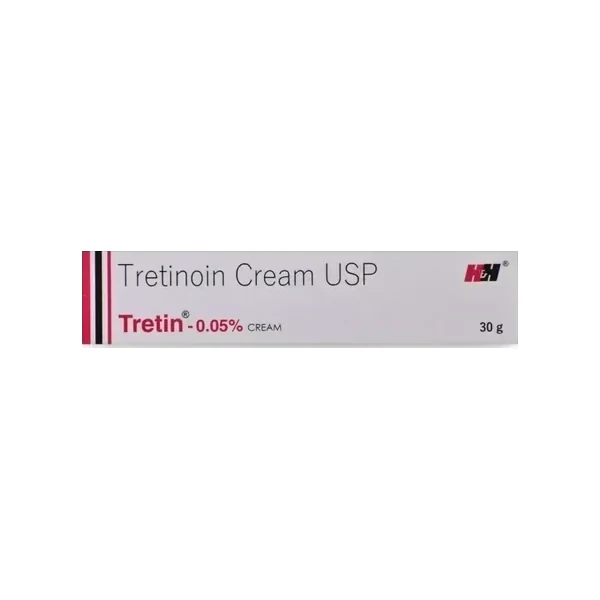
1. Description of Tretin 0.05%
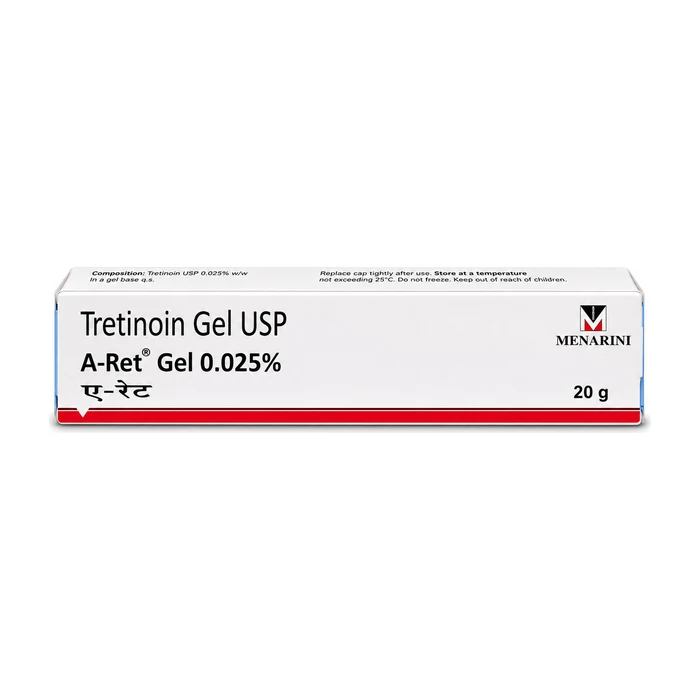
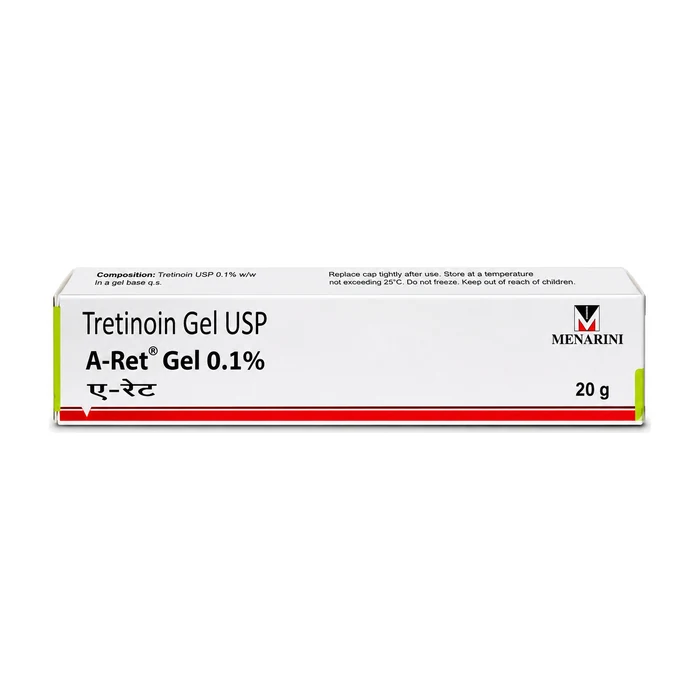
Tretin 0.05% Cream is a topical retinoid medication used to treat Acne and enhance skin texture. Its active ingredient is FDA-approved Tretinoin, which belongs to the retinoid medicine class. Tretin 0.05% Cream is manufactured by Hegde and Hegde Pharmaceutica LLP in GMP-compliant facilities.
This Tretinoin Cream 0.05% works by increasing the turnover of skin cells. This helps unclog pores, reduce blackheads and whiteheads, and gradually fade acne scars and dark spots over time.
Tretin Cream is typically applied once daily at night to clean, dry skin, starting with a lower frequency to help the skin build tolerance. Mild side effects such as redness and dryness are common in the first few weeks and usually improve with continued use.
As Tretinoin increases sun sensitivity, daily sunscreen use is essential during treatment. Store the cream at room temperature (15-30°C), away from direct sunlight and heat.
As a prescription-based skin treatment, it should be used exactly as directed by a dermatologist for the best results.
Tretin Cream contains Tretinoin, the same active ingredient found in the brand-name product Retin-A. Both formulations work through the same mechanism, increasing skin cell turnover to treat Acne and improve skin texture, and must meet the same bioequivalence standards.
However, generic Tretinoin cream is typically available at a more affordable cost of $9.80/Tube than the branded version, which is $36.11-$122.85/tube. Hegde and Hegde Pharmaceutica LLP manufactures Tretin Cream in a GMP-compliant facility.
The only differences are the manufacturer, packaging, and inactive ingredients, and none of these affect how the medication works.
Contact your doctor when using Tretin Cream if you experience severe redness, blistering, swelling, or irritation that does not improve. Also, seek help if your Acne worsens significantly after several weeks of consistent use.
2. How Tretin 0.05% Works
Tretin 0.05% Cream, a generic Tretinoin Cream, offers several benefits for skin health:
- Acne treatment: Helps clear existing breakouts and prevents new ones by keeping pores unclogged.
- Blackhead treatment: Reduces the buildup of oil and dead skin cells that may cause blackheads and whiteheads.
- Acne scar treatment: Gradually improves the appearance of acne scars with consistent use.
- Reduces dark spots: Helps fade post-acne dark spots and evens out skin tone over time.
Tretin Cream typically begins showing initial changes within 2-3 weeks of consistent use, though visible improvement in Acne and skin texture usually takes 8-12 weeks. Some users experience an initial purging phase where breakouts temporarily worsen before improving.
Using sunscreen daily and avoiding harsh exfoliants can help the skin adjust faster and prevent irritation that may slow progress. Consult a healthcare professional for personalized guidance on timing.
Tretin Cream should be used as directed by a dermatologist. General usage guidelines include:
- Apply a pea-sized amount of Tretin Cream to clean, dry skin at night.
- Start with application every other night, increasing frequency as tolerated. Avoid applying near the eyes, lips, and open wounds.
- Use sunscreen every morning while on treatment.
- Avoid combining with other strong exfoliants unless advised by your doctor.
- Do not exceed the prescribed dosage or number of applications.
Consult a healthcare professional before starting treatment.
Tretin Cream typically shows initial changes within 2 to 3 weeks, with more visible improvement in Acne and skin texture appearing after 8 to 12 weeks of consistent use. Results often vary depending on skin type and Acne severity.
Store Tretin 0.05% Cream at room temperature (15-30°C), away from direct sunlight and heat. Keep the tube tightly closed and out of reach of children. Always read the label for proper storage.
3. Mechanism of Action
At the cellular and biochemical level, Tretinoin interacts selectively with specific physiological receptors and enzymatic pathways responsible for regulating targeted therapeutic pathways.
By modulating these targeted pathways, Tretin 0.05% restores balanced physiological response without unnecessary systemic burden when taken at the physician-recommended dose.
4. Dosage and Administration of Tretin 0.05%
4.1 Recommended Dosage
The standard medical recommendation for Tretin 0.05% Cream is tailored according to patient tolerance, therapeutic response, and clinical evaluation. Always adhere to professional healthcare provider recommendations to minimize adverse events.
4.2 How to Take
- Use strictly on the affected area or as directed by your ophthalmologist/physician.
- Wash and dry your hands thoroughly before and after each application.
- Avoid contact with eyes, mouth, or broken skin unless specifically formulated for ophthalmic use.
4.3 When to Take
Apply at evenly spaced intervals as prescribed on your medication label. Do not apply extra quantities to make up for a missed dose.
4.4 Who Can Use
✔ Suitable For:
- Adult patients diagnosed with conditions requiring Tretinoin.
- Individuals evaluated by a licensed healthcare provider for Acne & Skin Care therapy.
- Patients with verified tolerance to the prescribed strength.
✖ Not Suitable For:
- Individuals with known hypersensitivity or allergy to Tretinoin.
- Patients taking contraindicated or interacting therapies without physician approval.
- Patients with unstable cardiovascular, severe hepatic, or renal conditions unless cleared by a specialist.
- Pediatric patients under 18 years unless explicitly prescribed.
5. Side Effects and Warnings
While Tretin 0.05% is clinically evaluated and well-tolerated, systemic physiological responses may vary:
Like any medication, Tretin Cream may cause some side effects, especially when starting treatment. Most side effects are generally temporary and will subside as your skin adjusts.
However, consult a healthcare expert if they persist or worsen:
- Redness
- Peeling
- Dryness
- Burning sensation
- Mild stinging
- Increased sun sensitivity
6. Precautions & Drug Interactions
Liver Disease
Tretin Cream is minimally absorbed through the skin and is generally considered safe in people with liver disease. However, consult your doctor before use if you have severe liver disease.
Kidney Impairment
Tretinoin 0.05% Cream has minimal systemic absorption and is generally safe for those with kidney impairment. However, consult your doctor before use if you have severe kidney disease.
Pregnant and Breastfeeding women
Tretin 0.05% Cream should be avoided during pregnancy and breastfeeding, as Tretinoin has been linked to potential risks to fetal development.
Avoid
Avoid excessive sun exposure while using Tretin Cream, as it can increase the risk of sunburn. Avoid using other harsh exfoliating products, alcohol-based toners, or additional acne treatments unless advised by your doctor, as this can increase irritation.
Avoid using products like other strong exfoliants, alcohol-based toners, or additional Acne treatments containing Benzoyl Peroxide or Salicylic Acid with Tretin Cream. You can use them if your doctor advises.
7. Storage and Handling
Store Tretin 0.05% Cream blister packs at controlled room temperature between 15°C to 30°C (59°F to 86°F). Keep protected from excessive heat, bathroom moisture, and direct sunlight. Retain in original factory packaging until consumption and keep strictly out of reach of children and pets.
8. Frequently Asked Questions (FAQs)
Q: What is the active ingredient in Tretin 0.05%?
A: Tretin 0.05% is formulated with Tretinoin as its active pharmaceutical ingredient and is manufactured in WHO-GMP certified pharmaceutical facilities.
Q: How should I store Tretin 0.05% safely?
A: Keep the medicine in its original moisture-resistant blister pack at room temperature (15°C–30°C), away from direct sunlight and out of reach of children.
Q: Can I order Tretin 0.05% with discreet international shipping?
A: Yes. MyEdKart ships all orders in plain, tamper-evident packaging with live tracking numbers provided upon dispatch.
Q: What important usage and safety guidance applies to Tretin 0.05% Cream (Tretinoin)?
A: Yes, daily sunscreen use is essential while using Tretin Cream, as Tretinoin increases skin sensitivity to sunlight and raises the risk of sunburn and irritation. Apply sunscreen every morning, even on cloudy days.
Q: Can I use a gentle, fragrance-free moisturizer?
A: Yes, you can use a gentle, fragrance-free moisturizer. It can help reduce dryness and irritation caused by Tretin Cream. Apply moisturizer after the cream has absorbed, or as advised by your dermatologist.
Q: Can I use Tretin Cream every night once your skin builds tolerance?
A: Yes, you can use Tretin Cream every night once your skin builds tolerance. However, many dermatologists recommend starting with every other night. Daily use too early may increase redness, peeling, and irritation.
Q: Is Tretin 0.05% Cream safe during pregnancy or breastfeeding?
A: No, Tretin Cream should be avoided during pregnancy, as Tretinoin has been associated with potential risks to fetal development. Consult a doctor for safer alternatives if you are pregnant or planning to conceive.